

Flora & Fauna
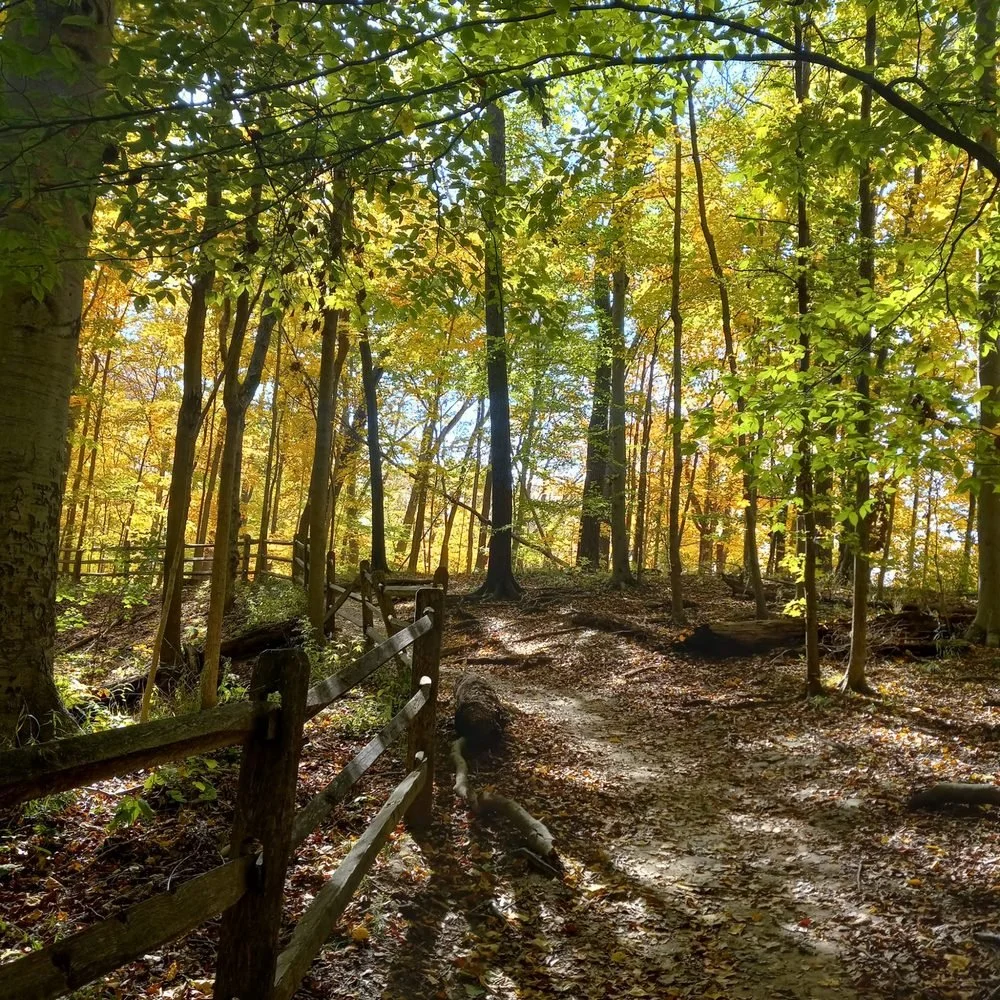
Marott Woods Nature Preserve is a great example of a beech-maple forest, which is a type of climax mesic (moderate moisture) hardwood forest that was once widespread across much of Indiana. This forest type is the result of ecological succession over time. The main canopy trees are American beech and sugar maple, commonly growing alongside red oak, tuliptree, and American basswood, among others. Beech-maple forests have a closed canopy. This means that very little light reaches the understory, which limits the types of shrubs, small trees, and other plants that can thrive there. This forest type is typically found in areas with glacial till from the Wisconsin glaciation covered by a layer of loam soil (see Geology & Hydrology page for more info on glaciation).
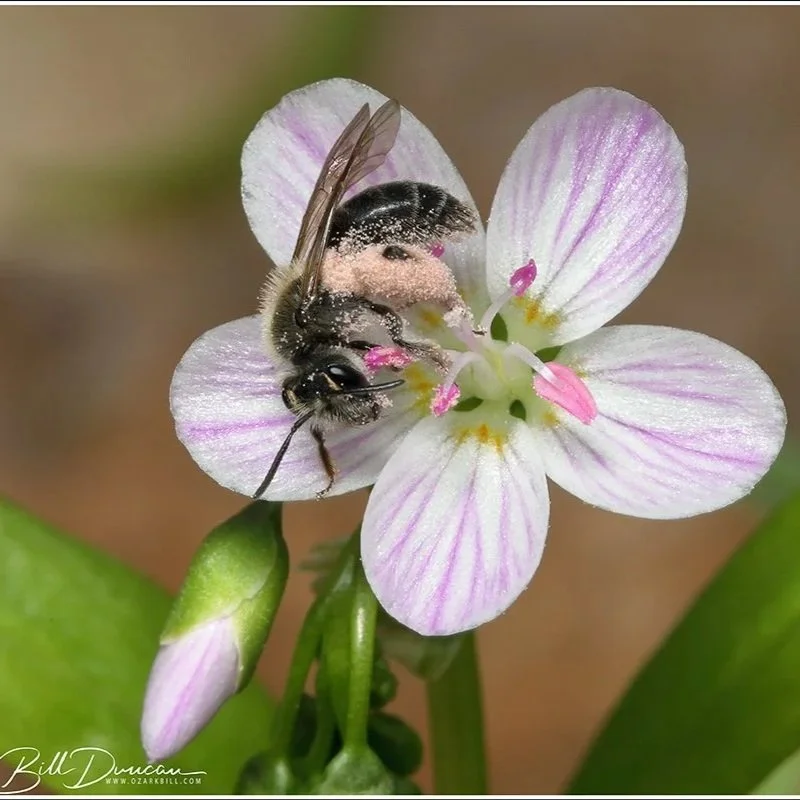
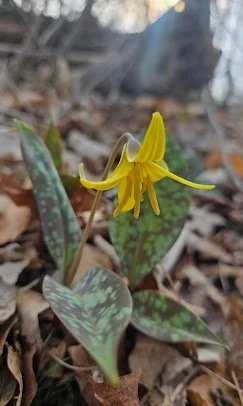
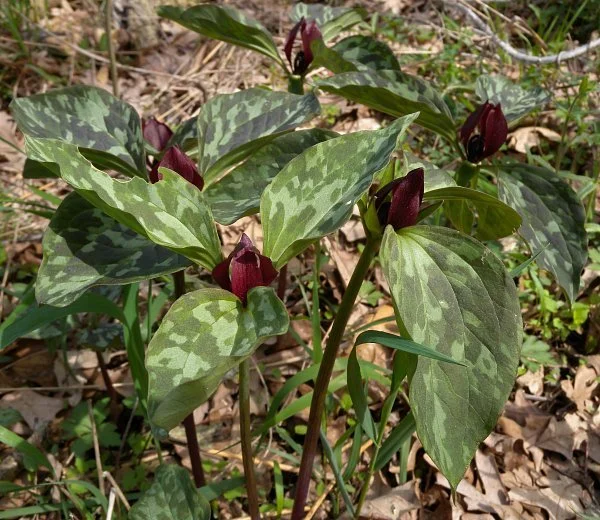
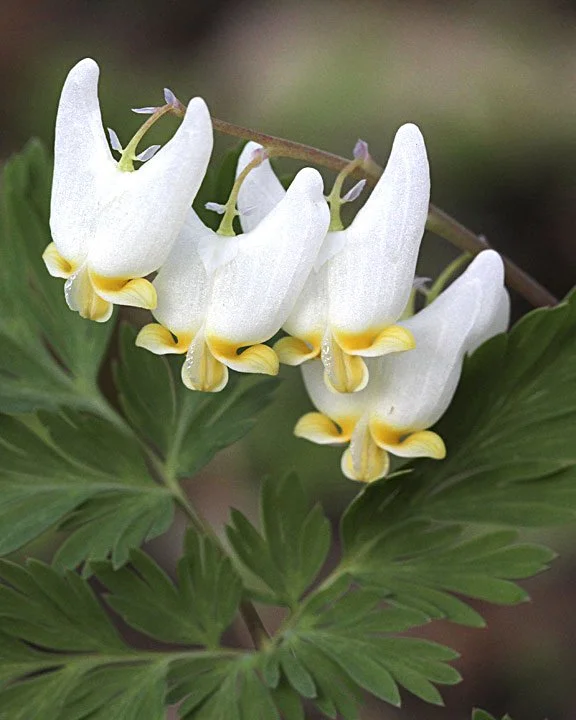
Due to the rich organic material in the loam soil, spring ephemerals thrive here during March through May, especially in the northwest section of the woods. The prevalence of these ephemeral wildflowers is a huge seasonal draw for visitors to Marott, and the ecological significance is even greater. These species have very brief bloom times that mostly occur prior to the canopy trees leafing out, which allows them to get the light they need to bloom. They are an important early food source for emerging pollinators, providing nectar and pollen for bumblebee queens, mining bees, mason bees, carpenter bees, and hover flies, among others. Flies are particularly known to pollinate trout lily, spring beauty, and hepatica. After pollination, ant species are major dispersers of seeds for trout lily and Dutchman’s breeches.
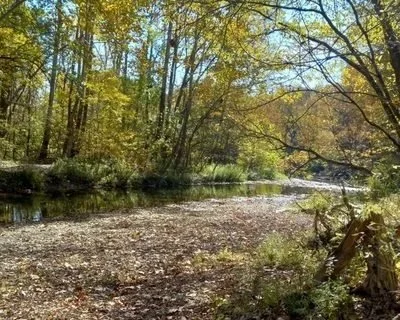
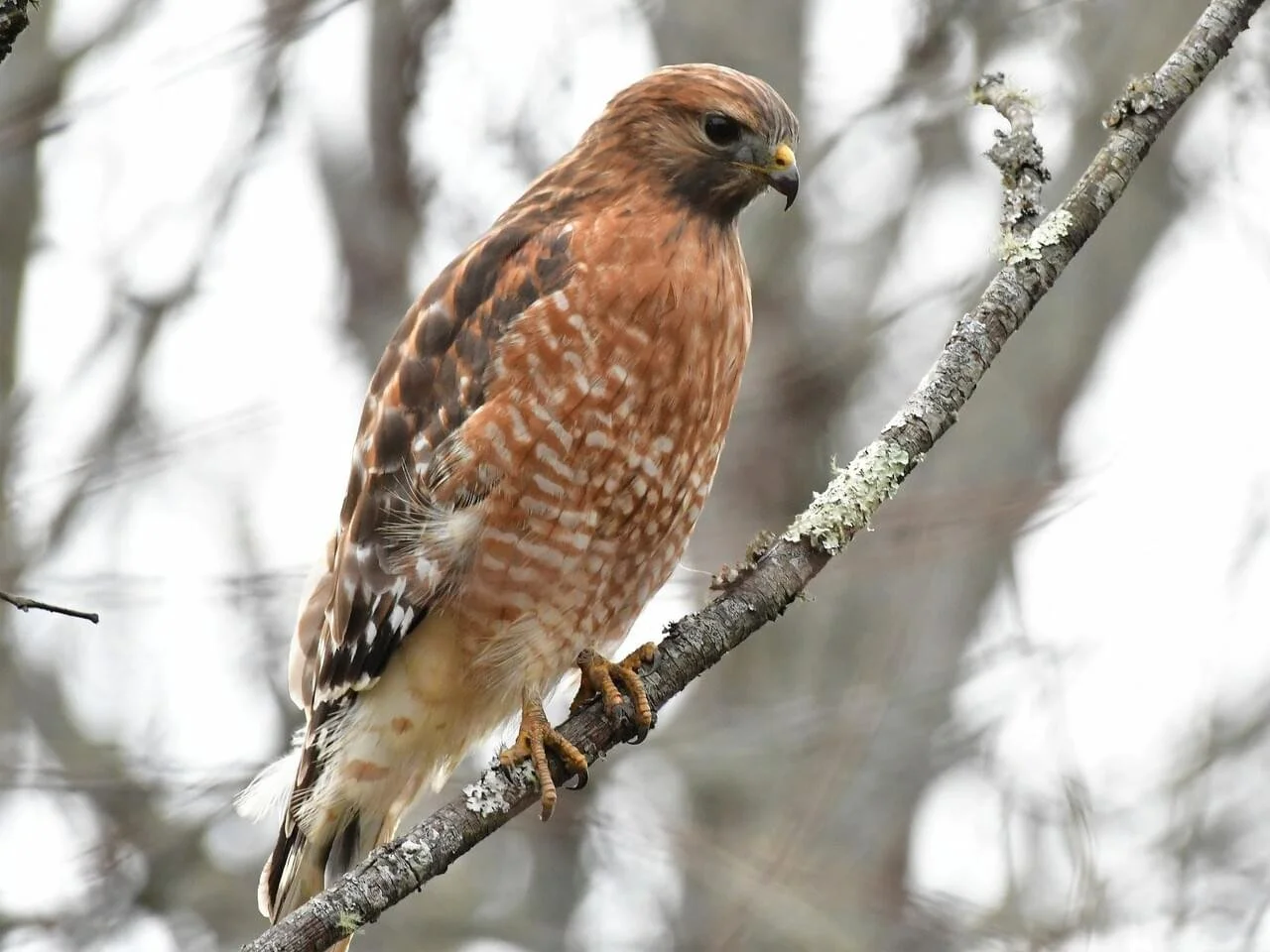
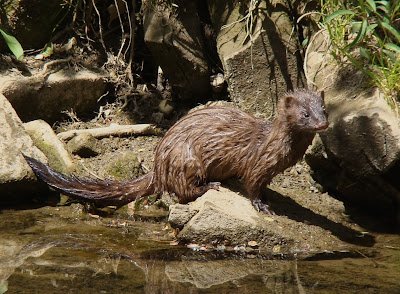
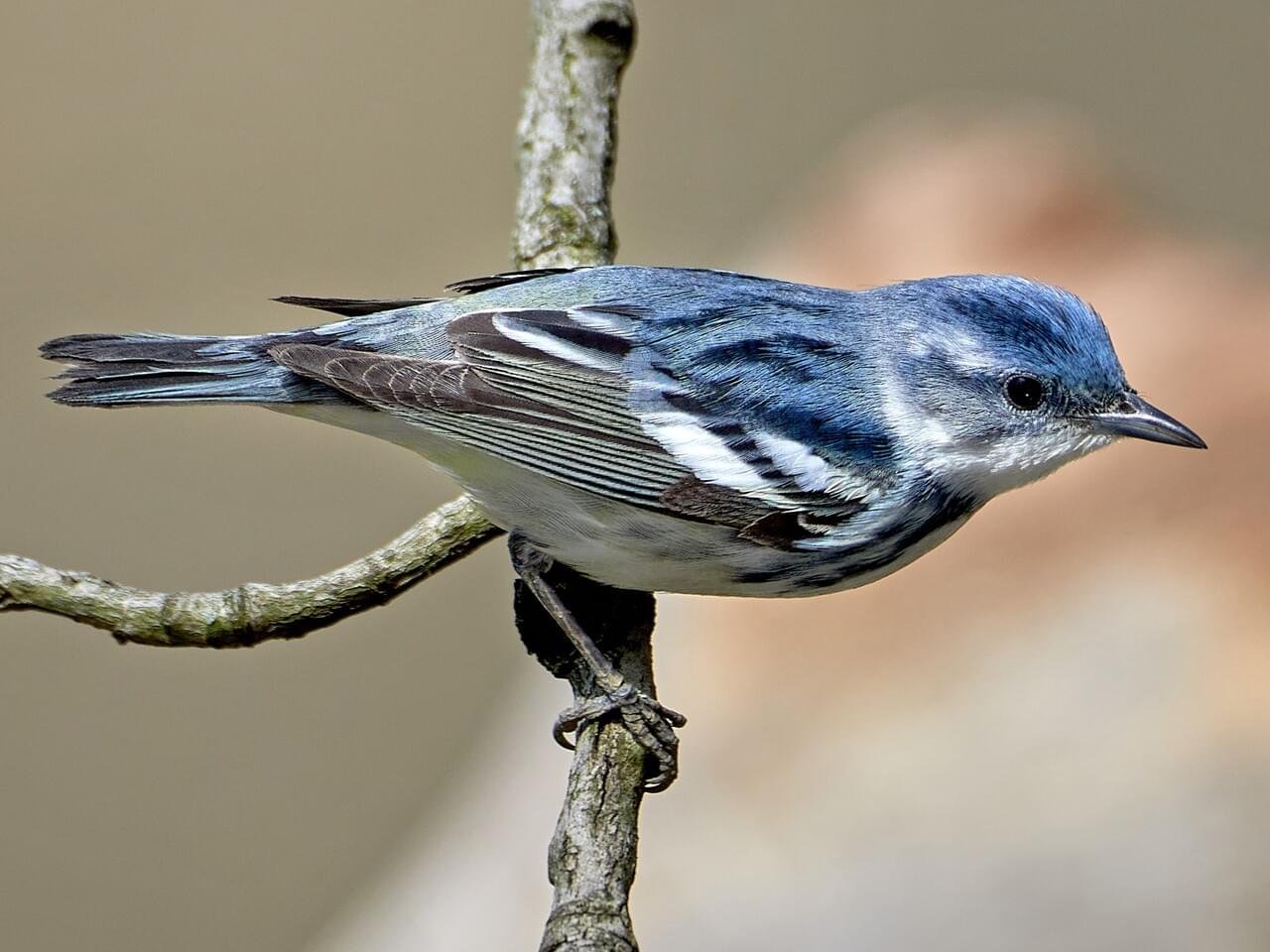
Beyond the forest type and plant life, Marott Woods serves a greater purpose as part of a riparian corridor ecosystem. Riparian ecosystems are forests next to streams and rivers that are not only affected by the health of these waterways but also serve as buffers that improve water quality. Vegetation on the banks of rivers and streams helps filter pollutants, control erosion and sedimentation, and absorb excess rainwater, mitigating flooding during periods of heavy precipitation or snowmelt. This is especially important with the increasing precipitation and warmer temperatures due to our changing climate. In addition to these functions, riparian forests also serve as climate corridors used by plants and animals to shift their geographic ranges due to increasing temperatures. Some noteworthy “species of greatest conservation need” that rely on these ecosystems in Indiana are Great Egrets, Cerulean Warblers, and Red-shouldered Hawks. Many mammals, such as beavers, river otters, mink, deer, and coyotes, also use these corridors to travel from one forest fragment to another.
Flora Resources:
Trees:
101 Trees of Indiana by Marion T Jackson:
Indiana native trees:
https://www.in.gov/dnr/forestry/files/Fo-NativeTreesofIndiana0606.pdf
Fifty Common Trees of Indiana:
Wildflowers/Plants:
Gardening with native plants: https://finder.indiananativeplants.org/
Invasive plants: https://www.in.gov/dnr/nature-preserves/heritage-data-center/invasive-plant-species/
Field guides:
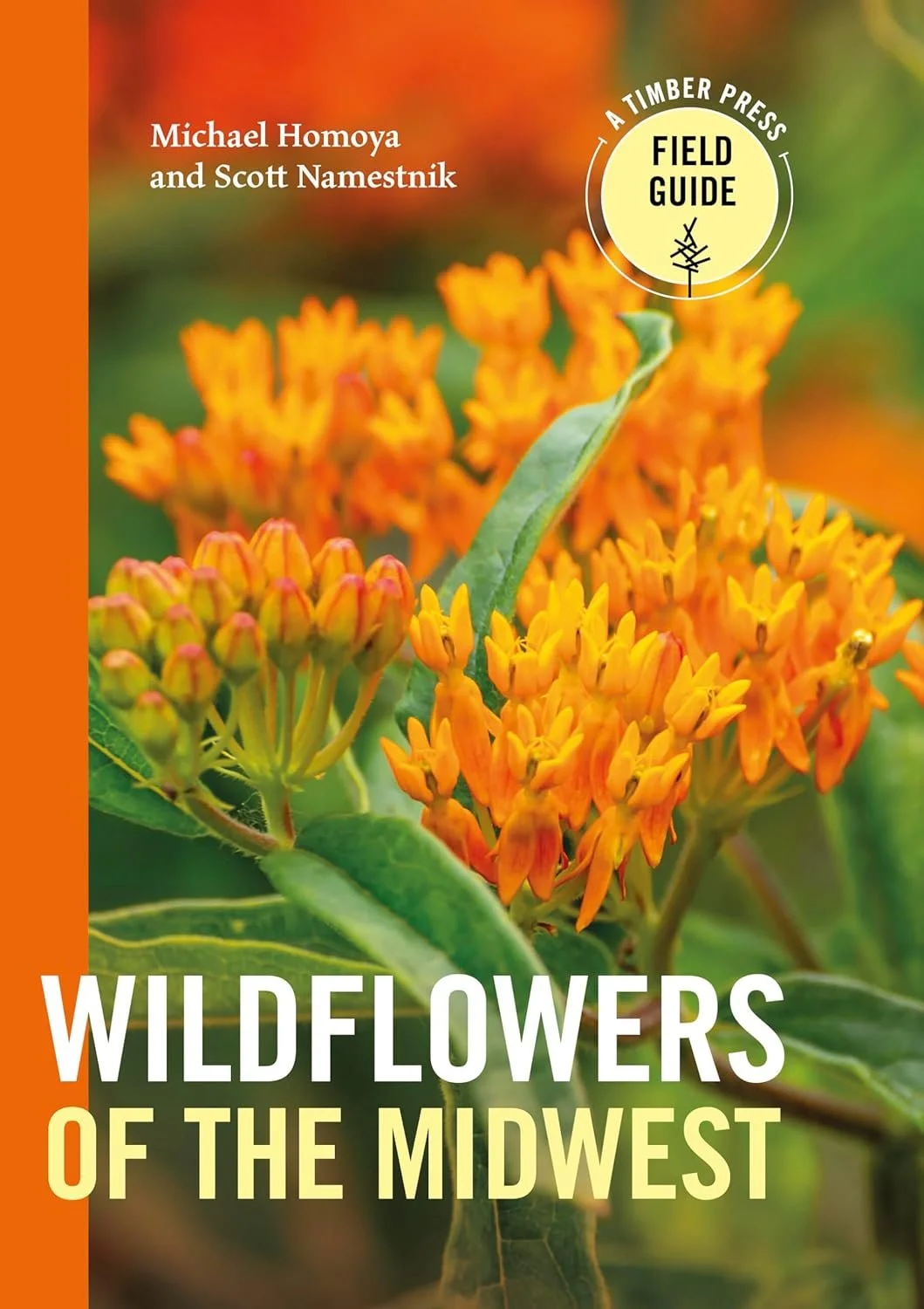
“Wildflowers of the Midwest” by Homoya/Namestnik
https://tinyurl.com/3nhcfpct
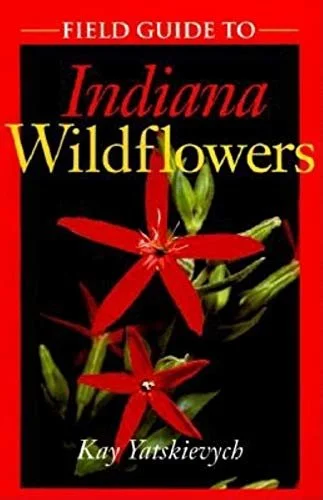
“Field Guide to Indiana Wildflowers” by Kay Yatskievych
Marott social media accounts for upcoming dates of volunteer events/weed wrangles:
Facebook: Friends of Marott Woods Nature Preserve
Instagram: marottwoods
Fauna Resources:
Indiana “Species of Greatest Conservation Need”: https://www.in.gov/dnr/fish-and-wildlife/nongame-and-endangered-wildlife/species-of-greatest-conservationneed/#What_is_a_Species_of_Greatest_Conservation_Need_
Herps:
Hoosier Herpetological Society - check out the “Field Guides” section for info about native frogs, toads, salamanders, turtles, lizards, and snakes:
Birds:
Cornell Lab All About Birds - Birds Near Me: https://www.allaboutbirds.org/guide/browse/filter
For current local bird sightings, the Marott Woods location on eBird: https://ebird.org/hotspot/L1502517
Merlin app, which can be used for bird sound identification in addition to other bird identification resources: https://merlin.allaboutbirds.org/
iNaturalist, to explore local nature observations: https://www.inaturalist.org/